I’ve been a PhD trained researcher for 15+ years (eg, Lead UX Researcher, Staff UX Researcher, Senior UX Researcher). Industries include enterprise B2B, financial products, developer tools, healthcare, and consumer products.
My philosophy as a UX researcher is to help my product team land safely when we try daring things. I collect and analyze data to identify the drop zone, provide us with a parachute, and steer us safely to the ground.

I’ve never been afraid to ask the tough questions and help the team be methodical and user-centered in our approach. I’ve learned through experience that critiques should always include alternative paths forward or a “How might we…?” to help us ideate together.
I didn’t always work in UX research. I was a healthcare researcher for 3.5 years before entering a PhD program to become a professor.
As a professor, I conducted qualitative and quantitative research and taught 2,200 university students over the course of a decade. I even taught a course on UX research for startups. My courses always had massive waitlists because I ran highly interactive student-centered courses that I tailored to the needs of my students. It’s my teaching experience, more than anything else, that has made me great at facilitating cross-functional teams, mentoring, and evangelizing research insights.
My academic research was primarily in the intersection of Buddhism, psychology, and cognitive science. I’m most proud of my pioneering work in the field of bibliometrics, where I introduced a new quantitative method to the field of mindfulness research by applying statistical analysis to large bibliographic datasets to test several assumptions made by my fellow mindfulness researchers. This made me a sought-after expert and research reviewer for academic journals.
Oh, and I moved to Tokyo for a while! Living in Japan and conducting interviews and long-term ethnographic fieldwork with Japanese psychologists and neuroscientists was an amazing experience that challenged my assumptions about which aspects of humans and societies are universal versus cultural constructs. 日本語でもいい!
I decided to leave academia for a new adventure: working as Lead UX Researcher at a startup. In nearly 3 years, I drove 20+ major product improvements by building a UX research program from scratch. I conducted hands-on research, set the company’s research strategy, and managed 4 direct reports. I wouldn’t be the leader I am today without this amazing adventure.
From there, I became a Senior UX Researcher at another startup, serving as UX Research Lead for our Financial Tools team. While much of my research focused on my business unit, I also conducted research that fundamentally shifted how 15+ product managers and designers create solutions by revealing a hidden user segment representing a massive 25% of the 2M+ userbase that was “hacking” our platform to meet their underserved needs and workflows. I also ran our organization-wide Voice of the Customer program. Everyone at this 180-employee company knew me, largely due to my influential monthly Voice of the Customer newsletters, which garnered significant engagement (800+ views, 100+ comments), including from the CEO, who was a regular reader and encouraged all employees to read my newsletters.
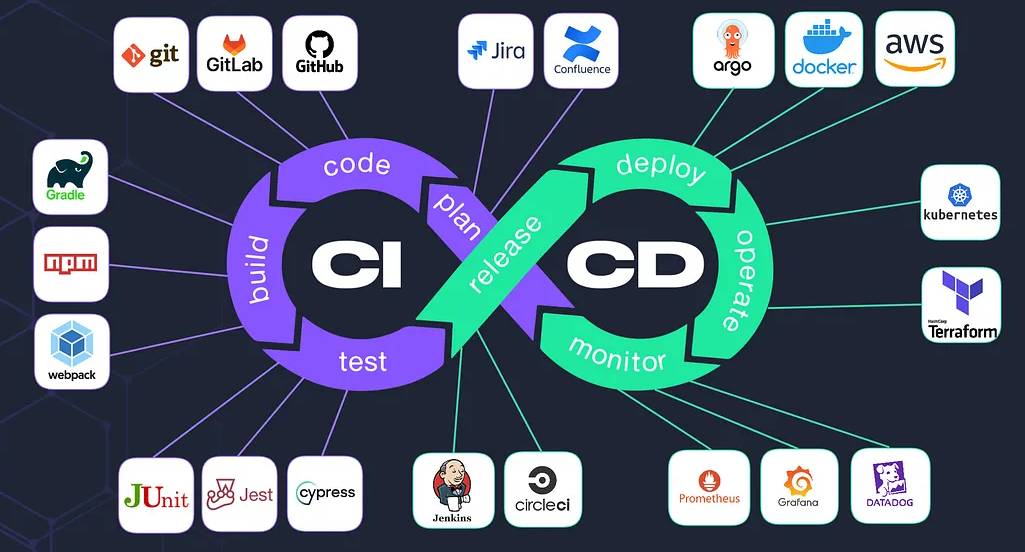
Most recently, I joined Deloitte as a Staff UX Researcher. I was brought on to build a democratized UX research program across a portfolio focused on optimizing software development. I was also tasked with supporting research operations for the greater organization through mentorship, developing playbooks, and managing vendors. Because the 4 product managers and one customer success manager under my portfolio had never had a researcher, I led them in building a new, insights-led product development lifecycle, which included creating user feedback channels and establishing new team rituals, like the weekly insights-to-roadmap workshops I facilitated with them. I trained product managers, engineers, and the customer success manager to conduct research under my supervision. I enabled us to generate $4.1M in less than 6 months by leading research that identified 10+ workflow bottlenecks, de-risked automation and design decisions, and secured executive approval for a large multi-month product initiative. I loved my time there and the deep technical skills I developed while working on these highly technical products. When the project ended, I knew that I wanted to leverage my technical knowledge in my next chapter.
Now, I’m on the lookout for my next opportunity. If you need someone who will own research strategy, drive business impact, and elevate the influence of research at the org, let's connect!